A Day in the Life of a Haemato-oncology Pharmacist in the United Kingdom by Pharm. Chris Salmen
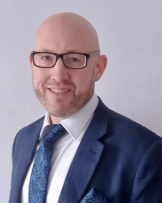
A prescribing haemato-oncology pharmacist at The Royal Marsden NHS Foundation Trust with over 20 years’ experience in cancer care. My work spans outpatient clinics, stem cell transplantation, systemic anticancer therapy (SACT), prescribing, governance, teaching, and electronic prescribing systems. I have a particular interest in lymphoma, myeloma, cGVHD, supportive care, and improving patient safety through practical pharmacy innovation.
Alongside my clinical work, I regularly lecture nationally and internationally on haemato-oncology topics and I am passionate about education, patient advocacy, and making complex oncology concepts understandable - as well as being keen amateur pizza maker'.
I do a lot of healthcare professional education. This includes nurses, doctors, and pharmacists. It’s a big part of my role, particularly in haemato-oncology where treatments and supportive care continue to change rapidly. Fridays are slightly different for me, as Monday to Thursday are primarily spent supporting our ward clinical pharmacists and also in clinic. Friday tends to be my desk day; this is the day when many of the governance, audit, teaching, management, and service development aspects of my role are performed.
Today started at 8 a.m. with an hour-long teaching session on chemotherapy-induced nausea and vomiting, covering both the pathology and practical management of chemotherapy-induced nausea and vomiting. I think the lecture went reasonably well — at least nobody appeared to fall asleep.
After this, I had a management meeting with my trainee pharmacist before moving into discussions around a high-dose methotrexate audit with one of our lymphoma consultants and our excellent clinical technician. The audit is looking at urinary pH and how this may affect methotrexate excretion times for our patients with lymphoma.
The rest of the morning involved sitting in on a lenalidomide waste audit meeting before screening intrathecal chemotherapy prescriptions for the following week.
During the afternoon, I received an urgent call from a Clinical Nurse Specialist about a patient who needed systemic anti-cancer therapy prescribed urgently but was unable to get hold of a doctor. As an independent prescriber pharmacist, I was able to step in and prescribe the treatment to avoid delays to patient care – which made me feel like a pharmacy superhero!
Lunch consisted of a disappointing cheese wrap eaten at speed before rushing into a clinical trials meeting whilst simultaneously preparing for the following week’s clinics.
I finished the day by clinically screening and authorising ablative chemotherapy for a patient proceeding to stem cell transplantation.