A Day in the Life of a Pharmacist and Aspiring Clinical-Academic at The Royal Marsden Hospital United Kingdom
By Jurga McLean
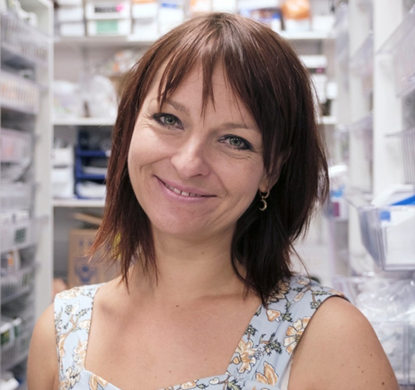
Around twenty-two years ago, I arrived in England from Lithuania, marking the start of a significant personal, cultural, and professional transition. Adapting to British culture meant balancing university study in a second language whilst raising children, building new social networks, and establishing myself within a new healthcare system. Working in one of the world’s busiest cities, I create space for stillness through meditation before the day begins, helping me prepare for the emotional demands of cancer care. Another highlight of my day is cycling through Richmond Park or the posh streets of Chelsea. The exercise, combined with maintaining a consistent routine regardless of weather, helps me start the day feeling disciplined, focused, and ready to meet the physical and mental demands of the hospital.
I am a rotational pharmacist and have been qualified for 11 years, all of which I have spent at The Royal Marsden Hospital, a specialist cancer centre. This long-standing commitment reflects my passion and dedication to my chosen career path. My role spans clinical oncology pharmacy and the development of my work as a clinical-academic, a career trajectory that has been different from anyone else in my department. I am deeply grateful for the support of my colleagues and mentors in pursuing the opportunity to be the first pharmacist in my team to apply for the NIHR Doctoral Research Fellowship.
I am about to begin my haematology rotation, which brings both focus and anticipation. On clinical days, I work alongside multidisciplinary teams, supporting patients through complex chemotherapy regimens. Alongside this clinical work, I dedicate time to research. My academic questions emerge directly from frontline practice, particularly around equity, access, and patient experience. Just last week, I submitted a funding proposal focused on optimising the experiences of Black women receiving systemic anticancer therapy for breast cancer. This work brings together clinical insight, patient and public involvement, and culturally informed approaches, reflecting my belief that excellent oncology practice must be both evidence-based and inclusive.
As Co-Chair of BOPA’s Equity, Diversity, and Inclusion Subcommittee, I lead initiatives to promote inclusive cancer care. I am also an active member of the BOPA Research Subcommittee, collaborating with multidisciplinary teams across the UK to make research more accessible and foster equitable practices within oncology pharmacy. Beyond committee work, I share insights from my research journey through my blog, “Musings of a Pharmacy Researcher”, helping to normalise vulnerability, build professional connections, and support a transparent and inclusive research culture.
What I love most about my job is that no two days are the same. While some aspects of patient care are familiar, each day brings new ideas, potential projects, and opportunities for collaboration. Some days are dominated by clinical work, others by research meetings, community engagement, or focused writing. Yet all are united by a shared purpose: improving cancer care and shaping the future of oncology pharmacy. Cycling home at the end of the day, I reflect on the balance I am building between practice and research. I am a pharmacist, an aspiring clinical-academic, and a lifelong learner, roles that continually inform one another and sustain my motivation to grow and contribute.