A Day in the Life of a Pediatric Oncology Pharmacist in Malawi By Pharm. Agness Chitedze
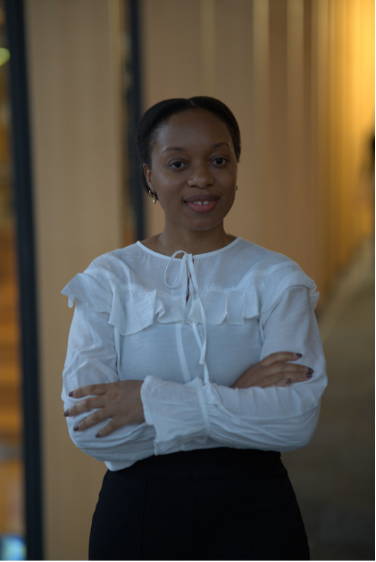
Working as one of the first two female pediatric oncology pharmacists in Malawi, a small beautiful, landlocked country in East-Africa commonly known as “the warm heart of Africa” was one of the most fulfilling, challenging but also emotional periods of my career. I still recall the first day I joined Baylor College of Medicine Children’s Foundation in Malawi (within Kamuzu Central Hospital-KCH) as a pediatric oncology pharmacist.
It was the start of the rainy season, when I was welcomed by the hospital team in the “Children’s ward B” at Kamuzu Central Hospital, one of the largest referral hospitals in Malawi. It was the first children’s ward I had ever worked in, before the pediatric oncology patients later moved to the National Cancer Centre wards at KCH. Attending ward rounds was one of my first responsibilities upon my arrival at KCH. During one of our wards round sessions, I met a child less than three years old, diagnosed with Burkitt’s lymphoma who was struggling for her life due to a resistant infection that most antibiotics failed to treat. The continuous cycles of chemotherapy made her journey to recovery even more difficult. A few days later, she died. From that moment, I knew I wanted to dedicate my life to serving children with cancer and help to minimize such heartbreaking outcomes.
The pharmacy, a small room located opposite the breakroom, functioned as the drug storage area, dispensing room, chemotherapy reconstitution space all at once. Like many hospitals in low-and-middle income countries (LMICs), we had to compromise space. Drugs were shelved on the left side of the pharmacy, while the reconstitution area was located at the far end of the room, with the reconstituting “compounding aseptic isolator” positioned beside the window. Honestly, I considered us “fortunate” to even have a dedicated chemotherapy reconstituting “compounding aseptic isolator” something many similar settings still lack today. To me, it represented a major step towards the safe and aseptic care for our patients.
Balancing drug management needs, attending daily ward rounds, training pharmacy interns, dispensing medications, reconstituting chemotherapy and participating in weekly pharmacy check in meetings with my team became my everyday routine. The pharmacist-to-patient ratio in Malawi is extremely low, and my institution was no exception. Rotating through these responsibilities while ensuring patients receive the best possible care was incredibly demanding.
The persistent scarcity of pediatric oncology drugs, coupled with the challenges of finding suitable pediatric formulations for even a month old newly diagnosed patient was a daily struggle. Obtaining common chemotherapy drugs such as cyclophosphamide, methotrexate and vincristine- what I often called “the backbone of pediatric cancer chemotherapy”- was difficult. Ensuring that essential medications remained available for patients became a constant “battle” involving supplier shortages, limited funding, and the growing number of children desperately needing treatment to survive.
Whenever a drug became unavailable, chemotherapy reconstitution was delayed, ward rounds were centered around discussing alternatives, meetings were largely dominated by the same question: “pharmacy team, when will we have this drug available?”, workflow was disrupted but most importantly one thought constantly stayed in my mind: “how can I help my patients?”.
It was not easy navigating through these challenges, especially when there was little else we could possibly do. Yet, overcoming obstacles in a setting where resources were often inconsistent and witnessing survival rates gradually improve, made every difficult day worthwhile. Common pediatric cancers treated at KCH include Wilms tumor, retinoblastoma, acute lymphoblastic leukemia, osteosarcoma, and Burkitt's lymphoma among others.
My day usually began with walking to the ward to collect the chemotherapy prescriptions of the day. This was also the time I met with the physicians and specialists to briefly discuss patients' progress and review chemotherapy charts in preparation for reconstitution and ward rounds. Maintaining aseptic techniques during chemotherapy reconstitution was essential. As a pharmacist, keeping the reconstitution environment clean was my highest priority to avoid exposing already vulnerable patients to unnecessary infections.
Preparing drug orders was another important part of my responsibilities. I made sure that medications and supplies were delivered to the ward and properly accounted for to prevent stock outs. Stock cards quickly became my “best friend” helping me track medication quantities and movements within the pharmacy and wards. I also participated in ward rounds, reviewed medication charts, counselled patients and caregivers, and dedicated part of my time to research and contributing to evidence-based medicine care within the hospital.
Although 80% of my career has now transitioned into research through my global oncology fellowship with The Hospital of Sick Children, the lessons from these clinical days remain deeply rooted in who I am today. Behind every chemotherapy order, every stock card, every ward round, and every daily discussion was a child fighting for another chance at life. Being a pediatric oncology pharmacist in Malawi was never just about medication dispensing; it was about hope, resilience and standing beside children and families during the most difficult moments of their lives. While the work was challenging, emotional and at times heartbreaking, it taught me that even in resource-limited settings, compassion, dedication and teamwork can change the story of childhood cancer, one child at a time.