Procurement Team
St. Vincent’s Health Australia
In oncology pharmacy, we rely heavily on our procurement teams to ensure the availability of medicines for our patients. We liaise with them regularly, and in an effort to shine a light (and not take all of the credit), Michael Jovanovic (Formulary Pharmacist) and Danni Avery (Purchasing Officer) share their thoughts on dealing with stock issues for our unit:
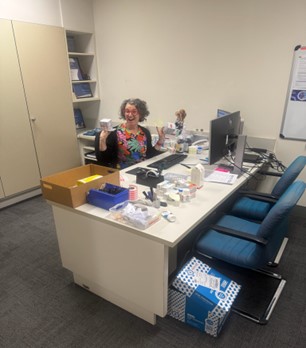
In the complex and ever-evolving world of hospital pharmacy, ensuring continuity of medicine supply—particularly for critical oncology treatments—is both a challenge and a daily priority. Working behind the scenes, our logistics and procurement team plays a pivotal role in managing this responsibility, often navigating global disruptions to maintain local patient care standards.
Australia’s geographical isolation poses unique challenges when it comes to pharmaceutical supply. We are one of the last ports of call for global medicine distribution, and this is further complicated when supply issues arise overseas. Every morning, our procurement team—comprising a procurement officer and pharmacist—reviews the Therapeutic Goods Administration (TGA)’s medicine shortages database. This tool provides early visibility of both current and forecasted shortages. We cross-reference this information with internal inventory and wholesaler stock levels to determine if action is needed. Based on these insights, we meet as a team to assess risk and agree on a forward plan—whether that’s placing additional orders, securing allocations, or sourcing alternatives.
Post-COVID, our approach has shifted from a just-in-time model to one of greater stock resilience. We now aim to hold more inventory of high-risk or critical items, especially for cancer medicines where treatment schedules leave little room for delays. Maintaining strong relationships with our wholesalers and manufacturers is vital to this strategy. Regular communication ensures we are among the first to be notified of potential disruptions and can act quickly to secure limited supplies.
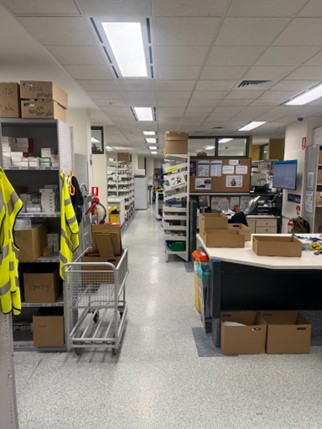
An equally important aspect of our role is transparent and timely communication with clinical teams. Pharmacists, doctors, and nurses rely on us not only for access to medicines but also for clarity about what’s available and what alternatives might be needed. When medications are unavailable, we work together to implement substitution protocols or adjust treatment plans. It’s crucial that everyone—from clinician to patient—is kept informed so we can navigate challenges collaboratively and safely.
When no Australian-registered option exists, we may turn to international suppliers under the TGA’s Special Access Scheme. While this adds complexity, it allows us to continue supporting patients even when conventional supply routes fall short.
Ultimately, our work is about staying one step ahead—anticipating problems before they arise and always having a Plan B (and sometimes a Plan C). It’s a fast-paced, high-stakes environment, but one that is essential to maintaining the high standards of care our patients deserve.
The procurement team is a vital part of our team that helps keep the wheels turning (even when sometimes it's me -Shaun O’Connor- that's tried to yank them off by forgetting to order stock - sorry!) and the patients flowing through our unit. Thanks for all you do team.