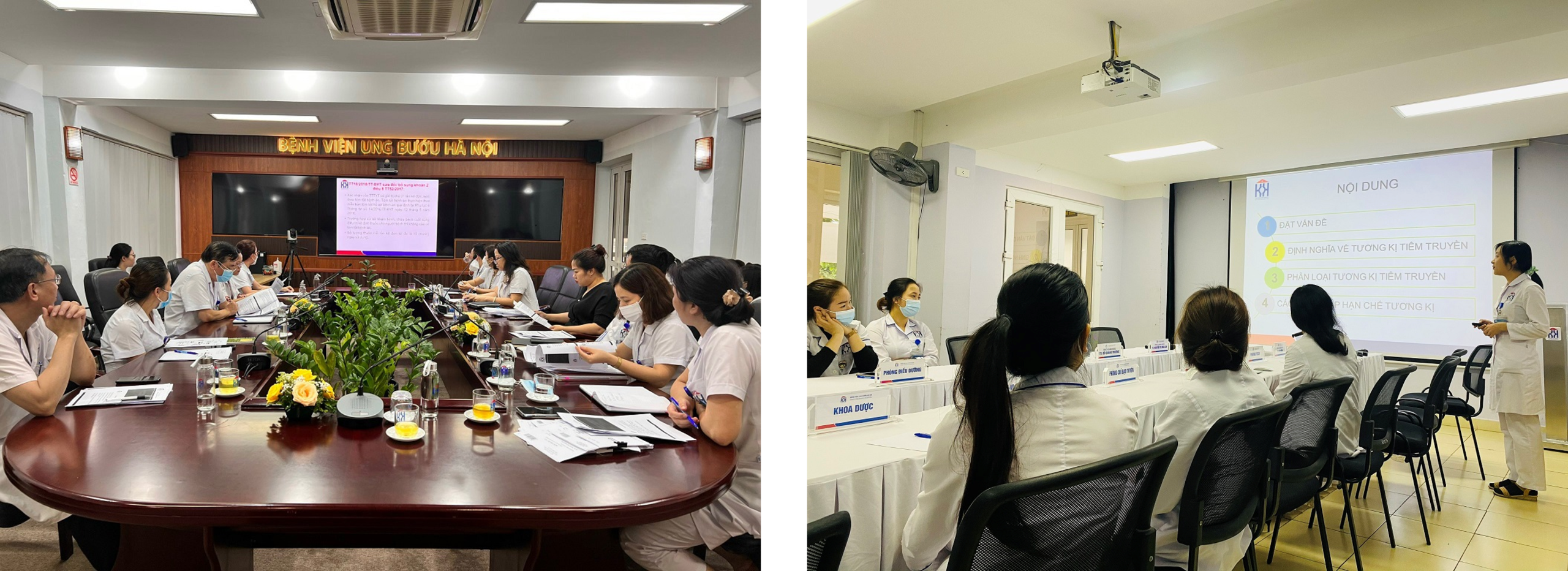
By Chau Dieu Thi Ngoc, Pharmacist, Hanoi Oncology Hospital, Vietnam
Receiving a cancer diagnosis can be one of the most desperate times in a patient's life, as they are dealing with physical, mental, and financial anguish all at once. In Vietnam, pharmacists are overworked since they have to fulfill multiple roles at work, and there are no standard practice guidelines in place. As a result of the country's tight national procurement regulations, the choice of prescription is frequently influenced by drug shortages. It is fair to say that every day for cancer pharmacists is difficult.
As is customary, I start my day at 8 a.m. in the office of the Pharmacy Department, where I have worked as an oncology pharmacist for the past three years. Every morning, I set aside half an hour to attend a briefing on the status of emergency patients and new admissions to the hospital. When I first turn on the computer, I swiftly enter fresh patient information into an excel file while also reviewing cases of significant patients who have had clinical pharmacological interventions as a result of prescription errors. Doctors may contact me through phone or email with information regarding drugs, treatment regimens, serious case consultations, patient allergies, or remaining medication. I also go over the medical records and medical instructions that were given out in the morning, paying special attention to the elderly, patients with liver failure, kidney failure, or severe patients.
After agreeing with my doctor regarding a drug error in my prescription for doses in patients with renal failure, I ended my last calls at ten o'clock. After that, I prepared to put on PPE and enter the clean room to determine whether patients had temporarily ceased receiving chemotherapy medications, as well as the status of drug preparation and storage. We have a tiny number of pharmacists in Vietnam, around one clinical pharmacist for every 200 patients, so each pharmacist has a lot of work to accomplish. I'm in charge of overseeing the daily drug information in the clinical department I'm in charge of, as well as ensuring that the preparation is done correctly. The concoction orders had been reviewed by me the previous afternoon. I normally start evaluating infusion regimens and dispensing orders, application incompatibilities, and application authenticity between 1:00 p.m. and 3:00 p.m. Upon completion of the aforementioned chores, I contact the pharmacists in charge of drug procurement to recommend replenishing the patient's running out and necessary medications. If I receive information that the drug cannot be obtained, I must speak with the doctor about changing the patient's regimen. At the end of the day, I have a scientific report on novel immunotherapy medications with doctors and pharmacists.
I go home after a working day and spend approximately an hour longer copying the day's damaging medication blunders while also reading more documents and research articles. My preferred sources of knowledge are ISOPP, The Lancet Oncology and JOURNAL OF ONCOLOGY PHARMACY PRACTICE.